How Dry Cleaning Works in Australia: Solvents, Process and What You Pay For (2026)
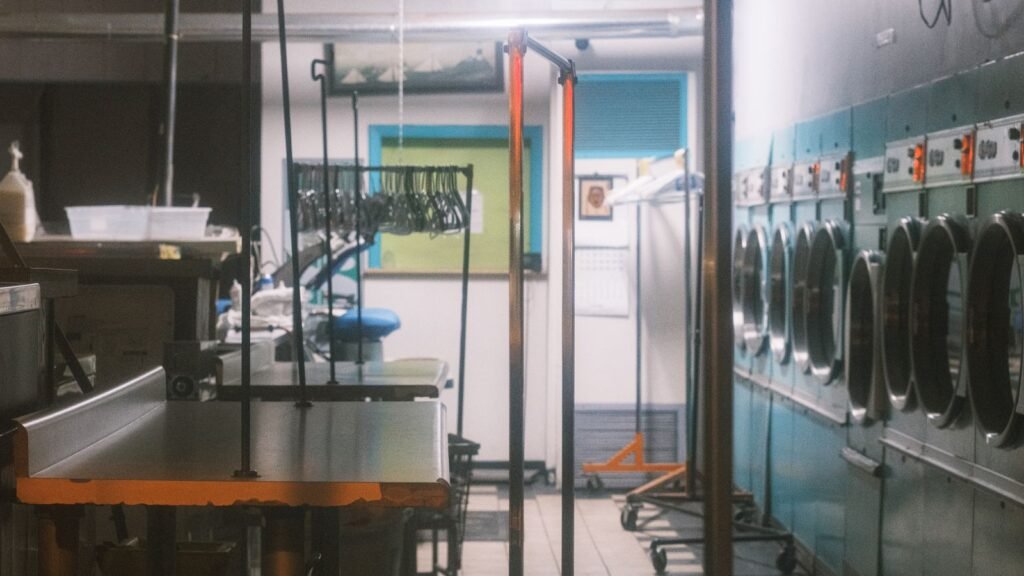
How dry cleaning works australia is a tagged solvent clean plus press, not a home washer without water. Staff inspect and pre-treat stains, clean garments in solvent instead of a water bath, remove residual solvent, then press and bag. The name misleads because clothes aren’t bone-dry in the machine; they’re cleaned in liquid solvent that doesn’t swell fibres the way water can.
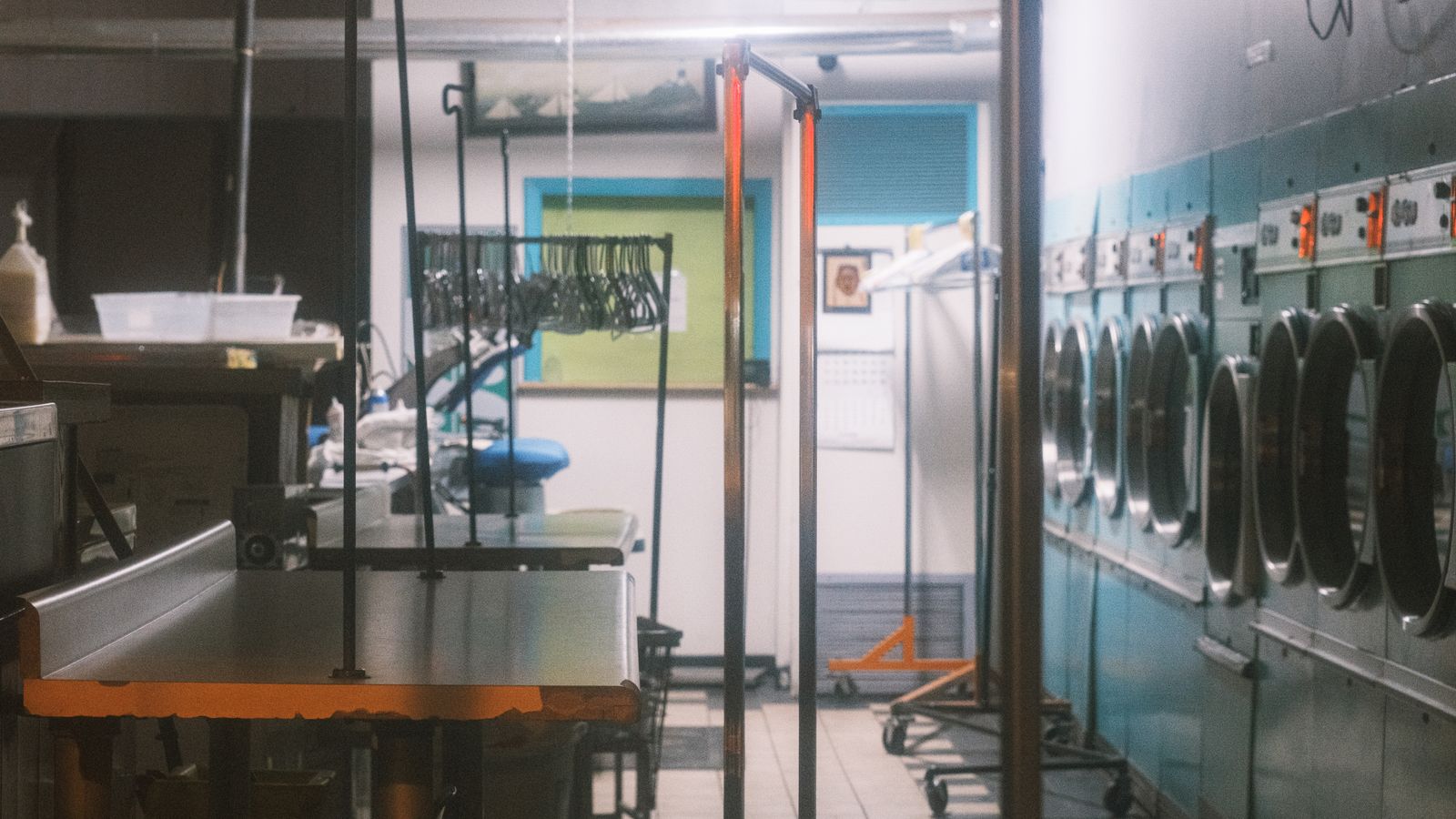
Find dry cleaners via our directory. Compare with wet cleaning vs dry cleaning and dry cleaner near me.
Step-by-step at a typical Australian dry cleaner
Most suburban and CBD counters follow the same basic flow, even when solvent brands differ between shops in Parramatta, Brunswick or Fremantle.
- Drop-off and tagging: describe stains (wine, oil, makeup), let staff note fabric and trim risks, and keep the ticket that matches tags on each piece.
- Inspection: missing buttons, loose beads and existing damage may be noted so pickup disputes don’t start from zero.
- Pre-spotting: targeted agents go on cuffs, collars and known stains before the main cycle.
- Machine cleaning: garments tumble in solvent with a little detergent while filters recover solvent for reuse.
- Drying and deodorising: residual solvent comes out in the machine or a separate aeration cycle.
- Finishing: steam presses and shoulder formers reshape the garment, with hand finishing on delicate items.
- Pickup: inspect garments at the counter and report issues before you leave the shop.
Friday afternoon drops often miss weekend plant batches. If you need a suit for Monday, drop mid-week or pay for express. Timing detail: dry cleaning turnaround Australia. Confirm card payment and closing time before you rely on a after-work pickup.
Solvents used in Australia
| Solvent type | Notes for customers |
|---|---|
| Perchloroethylene (perc) | Long industry history; professional sites face emission and disposal controls |
| Hydrocarbon / siloxane blends | Often marketed as gentler or lower-odour |
| Professional wet cleaning | Water-based alternative; not solvent dry cleaning |
Regulators monitor industrial chemical use through schemes such as AICIS. Operators must manage waste responsibly. If environmental impact or solvent smell matters to you, ask which system the shop uses. Many high-street shops still take suits and coats even when solvent brands differ by suburb. Asthma or solvent sensitivity? Ask about wet cleaning before you leave a stack of next-to-skin shirts.
What affects your price
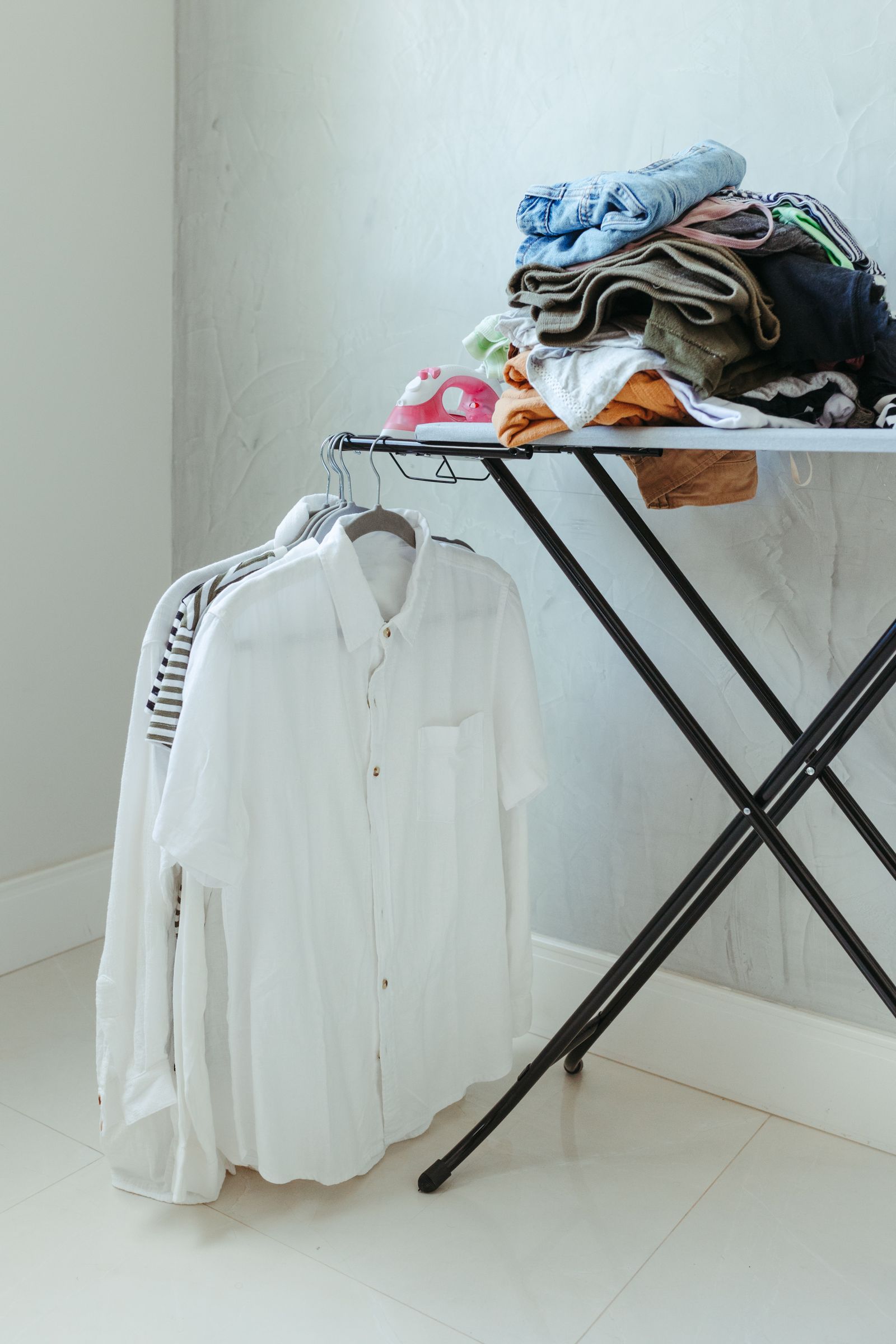
Ticket prices track labour and risk more than the solvent name on the machine. Soft guide bands still help you budget before you leave home.
- Garment type (shirt vs coat vs formal gown)
- Stain treatment time
- Delicate trim needing hand work
- Express same-day service
- Suburb rents and labour (CBD vs outer suburb vs regional)
Business shirts often land around $8–$14, and two-piece suits sit roughly $25–$45 at many suburban counters. CBD boutique shops usually run higher, so always confirm the board at drop-off. Full table: dry cleaning prices Australia.
What dry cleaning does well
Solvent cleaning shines when water would distort structure or leave oil marks behind. It’s not a shortcut for everyday cotton tees.
- Oil-based stains on wool and structured suits
- Refreshing garments that can’t tolerate home machine agitation
- Maintaining crease memory on dress trousers with proper pressing
Point out every stain at the counter. Protein marks (blood, sweat) and oil-based marks need different pre-treatment. If a garment has glued trims or cheap sequins, say so. Aggressive cleaning can lift finishes even when the fabric label looks safe. Worth-it framing: is dry cleaning worth it in Australia.
What it cannot fix
Some damage is already in the fibre before you walk in. A good cleaner will caution you rather than promising miracles on sun fade or old dye bleed.
- Some dye bleeds or sun fade (permanent fibre change)
- Torn fabric without tailoring repair
- Set-in stains you didn’t disclose at drop-off
If something comes back damaged after careless work, your rights under Australian Consumer Law still apply: ACL and dry cleaning.
So photograph expensive pieces at drop-off, point out existing wear, and don’t expect a solvent cycle to rebuild a torn seam. If the shop offers a repair add-on, get that AUD quote on the ticket before they start the clean.
Before you drop off
Five minutes at the counter saves an argument at pickup. Bring the ticket home, and don’t leave plastic bags on for months in humid weather.
- Point out every stain and its source if known
- Empty pockets
- Note delicate buttons or heirlooms
- Keep your ticket until garments are checked at pickup
- Ask about wet clean if you prefer lower solvent smell
For self-serve washing instead, see laundromat near me and self-service laundry. Label help: dry clean only label explained. Storage after pickup: garment preservation guide.
Frequently Asked Questions
How long does dry cleaning take?
Two to three business days is common in cities, while express options cost more when you need a faster ready-by date. Regional shops may batch work a few days a week.
Is the plastic bag for storage?
Remove plastic after a day or two so fibres can breathe, because those bags are meant to protect transit only.
Can I dry clean at home with kits?
Home kits are weak substitutes for professional pressing and solvent systems on structured clothes.
Where is my nearest cleaner?
Browse all locations or state pages like NSW.
Sources: AICIS · ACCC consumer guarantees on services
By Laundry Services Near Me Team · About · Find dry cleaners
Need a local listing?
Browse verified businesses in our directory or read more guides on the blog.
Find laundromats All guides