Wet Cleaning vs Dry Cleaning in Australia: Which Is Safer for Your Clothes? (2026)
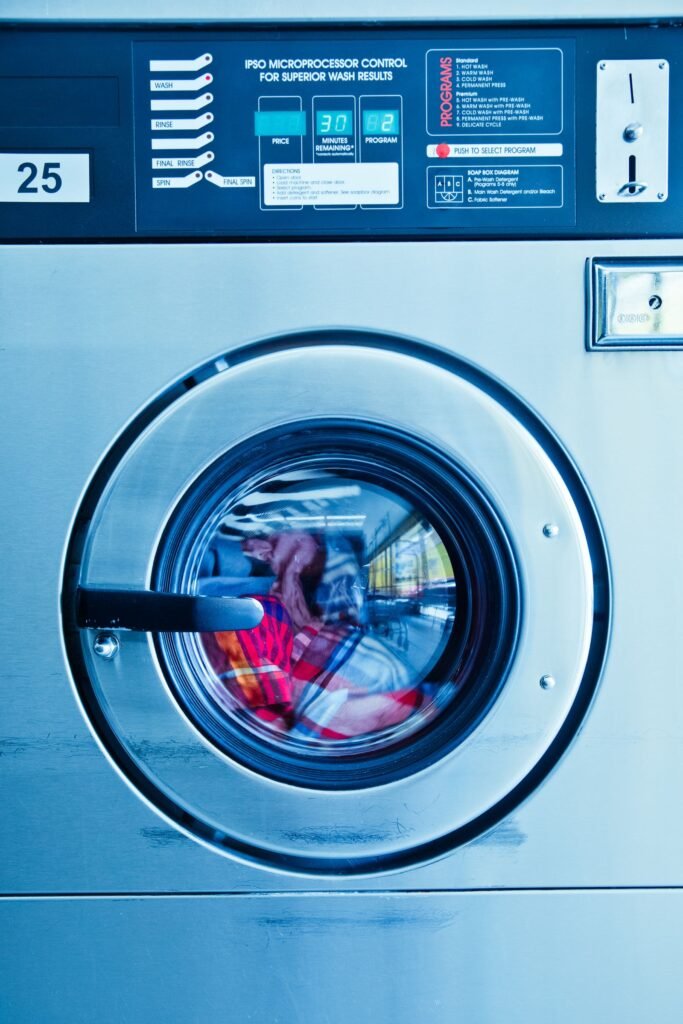
Wet cleaning vs dry cleaning australia isn’t about whether your clothes get wet at home. “Dry” cleaning uses chemical solvents with little water. Professional wet cleaning uses controlled water, specialist detergents and finishing equipment built for delicate fibres. Both can be legitimate. The right choice depends on fabric, stain type and what your local cleaner offers.
Find cleaners on our directory. Process basics: how dry cleaning works. Eco-minded options: eco laundry near me.
Dry cleaning in brief
Traditional dry cleaning dissolves oils and some stains in solvents. Perc was common for decades. Many Australian operators have moved toward hydrocarbon or siloxane alternatives, and some sites promote greener solvent blends. Garments are tagged, pre-treated, machine-cleaned, dried and pressed.
Chemical regulators have tightened environmental scrutiny on perc over time. Ask your cleaner which solvent they use if that matters. Oversight for industrial chemicals sits with AICIS.
If solvent smell bothers you after pickup, air the garment overnight before you wear it next to skin. CBD and strip-shop counters in Melbourne and Sydney both run this flow; the difference is usually rent and labour on the ticket, not a totally different machine cycle.
Professional wet cleaning in brief
Wet cleaning uses water with specialised detergents, gentle mechanical action and tensioning finishers to reshape garments. Modern systems monitor moisture and chemistry for wool, silk blends and structured suits when the cleaner is trained on classification.
It suits many dry-clean-only labels that actually tolerate professional wet processes. But the label isn’t always accurate. A skilled cleaner tests seam allowances and dye stability first. This isn’t your bathtub or a shared laundromat washer.
So if a shop in Adelaide or Brisbane advertises “green” or “wet clean”, ask how they finish wool jackets. Without tensioning equipment, water-based cleaning can leave shoulders soft or uneven. Price often lands in the same soft AUD bands as solvent tickets for the same garment type.

Side-by-side comparison
| Factor | Traditional dry cleaning | Professional wet cleaning |
|---|---|---|
| Main medium | Solvent (perc, hydrocarbon, etc.) | Water + specialist detergents |
| Environmental profile | Solvent recovery required; perc phased down at many sites | Lower solvent waste; water and energy still matter |
| Odour removal | Strong on oils, some smoke | Strong on water-soluble stains with the right chemistry |
| Structured garments | Long track record on suits | Good when the cleaner uses tensioning finishers |
| Delicate embellishments | Often preferred when beadwork is risky | Case-by-case; dye bleed tests essential |
| Customer price | Similar tier at many shops | Often similar; ask before you assume a discount |
Soft AUD guide bands for either process still track garment type more than the method name. A suit ticket around $25–$45 at suburban shops is common either way. Confirm the board: dry cleaning prices.
When dry cleaning is still the safer bet
- Heavy oil-based stains on structured wool suits
- Garments with unknown dyes or heavy beading where water tests fail
- Heirloom pieces labelled dry clean only where you can’t risk shrinkage
If the counter hesitates on wet clean for a beaded formal, listen. Label help: dry clean only label explained.
Still tempted to force a water wash at home before a wedding or race-day event? Don’t. One failed dye test can ruin panels that a solvent cycle would have protected. Pay for the professional path, confirm card payment and pickup hours, and get the risk note on the ticket before you leave the shop.
When wet cleaning is worth asking about
- Shops advertising eco or green-earth style cleaning
- Cotton, linen and many washable blends needing a professional press finish
- Allergy concerns about solvent residues on next-to-skin items
- Everyday separates marked dry clean only mainly for shape, not fibre chemistry
Call listings from locations and ask: “Do you offer professional wet cleaning, and how do you classify wool suits?” Not every strip shop in Brisbane or Adelaide offers it. Hours and payment still matter for pickup after work.
Dry clean only labels and consumer rights
Care labels are conservative. Pros override them using fibre knowledge. Ask how they classify wool suits or beaded garments before you leave something expensive.
ACL guarantees apply to cleaning services. If a cleaner shrinks a suit or fades a dress through incorrect process, you may have a remedy. Keep tickets and describe known stains at drop-off. Overview: Australian Consumer Law and dry cleaning. For events, confirm timing in turnaround.
Choose dry cleaning when structure, beading or oil stains make water risky. Choose wet cleaning when you want lower solvent smell and the cleaner confirms the fibre is suitable. Either way, get a clear note on stain limits before you leave bridal or leather pieces.
Frequently Asked Questions
Is wet cleaning the same as home washing?
No. Home machines lack tensioning finishers and controlled chemistry for structured garments.
Is perc banned in Australia?
Not nationally banned for all uses, but many operators have replaced it. Ask your local shop.
Which is better for wedding dresses?
Specialist bridal cleaners often use controlled wet or solvent processes depending on fabric. Don’t experiment at home.
How do I find wet-clean-capable shops?
Use locations and dry cleaner listings; confirm services by phone.
Sources: Australian Industrial Chemicals Introduction Scheme · ACCC
By Laundry Services Near Me Team · About · Find dry cleaners
Need a local listing?
Browse verified businesses in our directory or read more guides on the blog.
Find laundromats All guides