Can You Wash a Doona at a Laundromat in Australia?
You can wash doona at laundromat sites across Australia when you pick a large-capacity front loader (often 18–27 kg) and use a gentle cycle with room for water to circulate.
Home machines often can’t fit a bulky quilt without cramming the drum. That leaves detergent trapped and drying uneven. Shortlist shops on the laundromat locations hub, then call ahead to confirm a large washer is free.
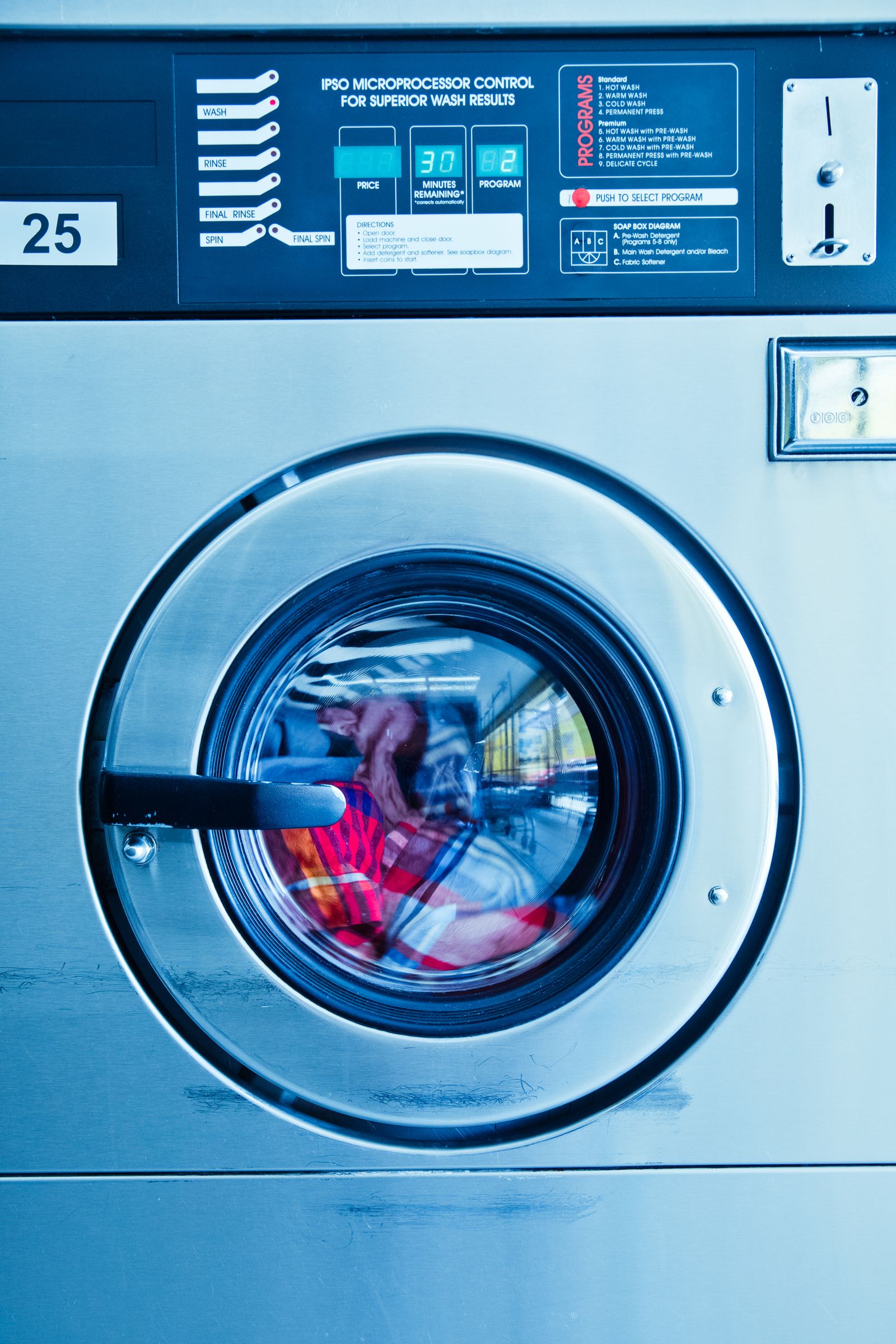
For fabric-care basics, see the Choice laundry hub. Paid cleaning still sits under ACCC consumer guarantees if a shop wrecks a quilt they accepted.
When a laundromat beats washing at home
Bulky bedding needs drum space. A queen doona in a 7 kg home washer often comes out still damp in the centre, with clumped filling. Commercial machines are built for doonas, heavy blankets and small rugs. You’re not wedging a wet quilt through a bathroom door to drip on tiles for two days.
Laundromats also help when you’re between houses, renting without a dryer, or dealing with pet hair on a second duvet. You pay per cycle instead of buying a bigger machine you’ll rarely need. You don’t have to store a king-size drum in a one-bedroom flat.
Musty apartment washers are a facilities problem, not a “buy more detergent” problem. A commercial hot rinse on a bedding cycle can reset a doona that the 7 kg unit never quite got clean.
Pick the right machine size
Match the dry doona to the kg sticker on the door, then leave space. Single or double quilts usually sit in a 14–18 kg washer if you load loosely. Queen and king doonas need 20–27 kg front loaders. Weighted or very thick quilts: ask staff. Some sites cap load weight because an unbalanced drum walks across the floor.
- Single or double: 14–18 kg washer, loaded loosely
- Queen or king: 20–27 kg front loader
- Weighted or thick quilts: ask staff; some sites cap load weight
Step up a size when the drum looks more than two-thirds full with the doona still dry. Overloading is the main reason fills stay lumpy after drying. Staff at attended sites can point you to the bedding washer. Unattended 24-hour rooms need you to read the kg sticker before you feed the card or coins.
A king that barely fits two medium drums is still the wrong plan. Each half packs the cylinder, water never moves, and you dry two lumpy halves. One large washer is the point of coming here. If the biggest machine on the floor is 16 kg and your king fills it dry, pick another site rather than splitting.
Cycle, detergent and temperature
Use a gentle or bedding cycle with warm or cool water unless the care label says hot. Too much heat can shrink covers or melt synthetic fill. High-efficiency detergent in small doses works better than pouring a full cap. Residue makes duvets feel stiff. Add an extra rinse if the machine offers it.
Check the label for dry-clean-only symbols. If it says professional clean only, a laundromat wash is still the wrong tool. Wool and silk-blend toppers felt or bleed. That’s not a “gentle cycle” rescue. That’s a ruined $200 quilt.
Fragrance-sensitive households should bring their own powder. Vending-machine scent bombs linger in doona fill longer than they do in a t-shirt load. Run the extra rinse. It’s cheaper than a second wash because the first one smells like a car air freshener.
Drying without mildew
Drying takes longer than washing. Use multiple dryer cycles on low or medium heat. Pull the doona out between cycles to shake filling flat. Don’t bag a warm doona in plastic and drive home. Finish drying on site or air it flat at home with fans. A slightly damp core will smell within a day.
Some sites have outdoor lines. Most rely on tumble dryers. Budget time, not just coins. A queen can eat two to four dryer blocks. If the centre still feels cool and dense, it isn’t dry. Clumps of fill are a moisture signal, not “that’s just how down sits”.
Stay for the last tumble. Walking out at 80% dry is how weekend mildew starts in a linen cupboard. If the shop closes at 8pm and you arrived at 7, you already lost. Start earlier, or use a 24-hour card room that will still be open when the last cycle ends.
Typical cost bands (guide only)
Prices vary by suburb and machine size. As a rough 2026 guide for metro Australia, a large wash sits around $8–$14 per cycle. Dryers run about $1–$2 per 8–12 minutes, and a queen doona often needs two to four blocks. Inner-city card rooms can sit at the high end. Outer-suburban coin rooms can sit at the low end.
Use the laundry cost estimator for a load-sized ballpark, then confirm on the price board at the shop. Don’t trust a Facebook comment from 2022. Boards change when electricity contracts change.
- Large wash: about $8–$14 per cycle in metro Australia
- Dryer: about $1–$2 per 8–12 minutes; two to four blocks for a queen
No price sticker on a 24-hour unattended machine? Check the card reader screen before you commit the doona. A surprise $18 wash plus $12 of dryer time is still cheaper than replacing a king quilt. It shouldn’t be a surprise.
What to bring
A mesh bag is optional for removable covers. Bring your own detergent if you have skin sensitivities. Carry coins, card or app credit as the site requires. And bring time for a full dry cycle, not a “I’ll just start it” plan while you duck to Coles for 40 minutes that becomes 90.
Check the listing on our directory for payment type before you load the car. Coin-only rooms still exist on older strips. If the listing is unclear, carry $10 in gold coins plus a debit card. A queen doona job that dies mid-dry because the card kiosk is offline is a wet boot-full on the drive home.
If the site is unattended overnight, don’t leave a drying doona unwatched on a busy Friday. People move unclaimed loads. Take the wet quilt out, stay, or pick an attended shop.
When to use a dry cleaner instead
Some down or silk-labelled doonas must be professionally cleaned. If the tag says dry clean only, a laundromat wash is still the wrong tool even when the machine is big enough. Dry cleaners can also handle delicate wool underlays that would felt in a hot washer. Budget for that separately instead of risking a ruined quilt at a coin laundry.
If you’re unsure, photograph the care label and ask the counter before you pay. A two-minute conversation beats a felted wool topper. Mixed businesses (laundromat plus dry cleaner in the same frontage) can steer you to the right ticket. Coin-only rooms can’t.
Yet plenty of polyester-fill doonas from Kmart, Target or a department-store white sale are designed for a machine wash. Those are exactly what the 20 kg front loader is for. Read the tag. Don’t guess from the loft.
Frequently Asked Questions
Can I wash a doona with pillows in the same load?
Only if the drum still has room to tumble freely. Pillows and a queen doona together usually need the largest washer on the floor. If the dry doona already fills two-thirds of the drum, wash the pillows separately. Packed drums leave a wet core in both items.
Will pet hair ruin the next customer’s wash?
Run an empty rinse cycle or wipe the drum if you had heavy shedding. It is basic laundromat etiquette. Hair mats in the next person’s darks. If the shop provides a drum wipe, use it. You’re sharing a public machine, not a home laundry.
Are feather doonas safe in a commercial machine?
Many are, on gentle cool washes, if the care label allows. Down needs thorough drying. Clumps mean it is not dry yet. If the label says dry clean only, don’t “test” a cold wash. Feathers that escape a torn baffle are a nightmare in a shared dryer.
For everyday clothes loads, see how to use a laundromat. For facility-led suburb search, browse all laundromat locations.
By Laundry Services Near Me Team
Need a local listing?
Browse verified businesses in our directory or read more guides on the blog.
Find laundromats All guides