
Solar Sharer Offer Targets Midday Laundry Loads with Free Electricity Window
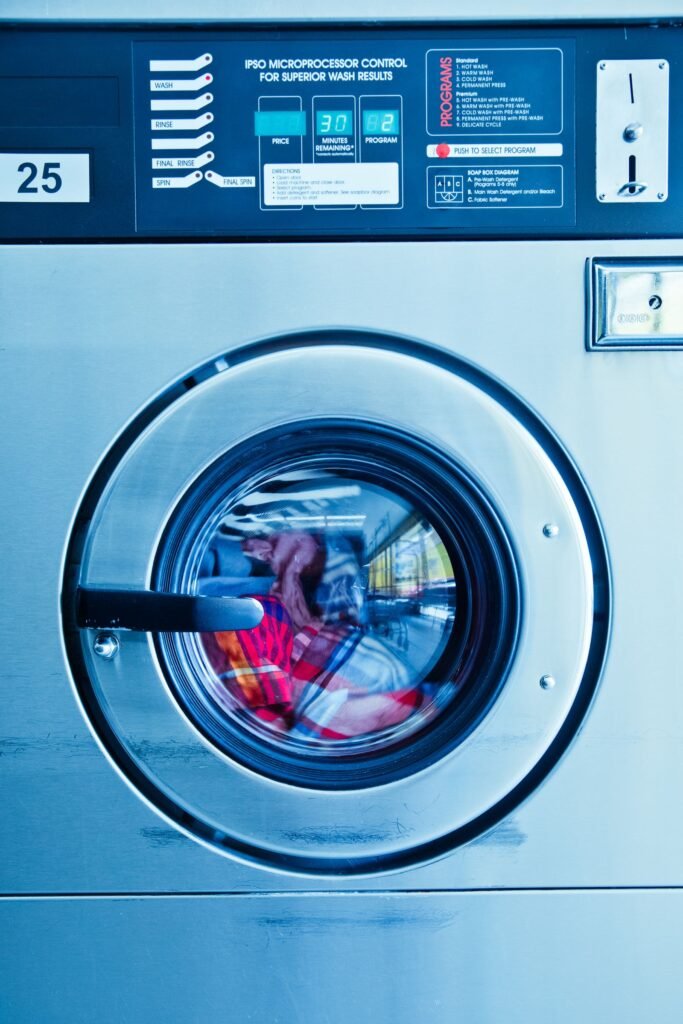
The Solar Sharer offer aims to shift household and small business energy use to the middle of the day when solar generation peaks. It provides free or heavily discounted electricity during a midday window for customers with smart metres, potentially changing when people run washing machines and dryers. Updated 22 July 2026.
It targets the oversupply of solar energy around midday, which can drive wholesale prices negative. By incentivising demand during this window, the scheme benefits both consumers and grid stability.
How Solar Sharer works
According to reports on Finder and information from the Department of Climate Change, Energy, the Environment and Water, Solar Sharer offers participating customers free or near-free electricity during a designated midday period (typically 10am to 3pm on sunny days).
Exact terms vary by retailer, but the general model involves:
- A slightly higher base rate during peak times (morning and evening)
- Standard rates during shoulder periods
- Free or very low rates (often under 5 cents per kWh) during the solar window
Eligibility requires a smart metre, which measures electricity use at 30-minute intervals. Without interval metering, retailers can’t track if you are using power during the solar window.
What this means for home laundry
Households that can shift washing and drying to the midday window stand to benefit most. Running a washing machine and dryer consumes 3 to 5 kWh per load. If that load normally costs $1.50 to $2.50 at standard rates, doing it for free during the solar window saves $40 to $60 per month for a household doing two loads per week.
Scheduling is the hard part. People who work from home or have flexible routines can take advantage easily. For those working standard 9-to-5 jobs, setting timers on washing machines to start mid-morning and moving laundry to the dryer at lunchtime can be the only option.
Smart home setups can automate this. Some modern washing machines connect to home automation systems or have built-in delay-start functions that let you load them in the morning and program them to run at midday.
Implications for coin-operated laundromats
For laundromats, Solar Sharer or similar time-of-use tariffs can shift the economics of operating hours. Laundromats see peak customer traffic in evenings and weekends when people are off work. However, if midday electricity is free or near-free, operators can consider promotional pricing during those hours to shift demand.
Commercial sites running dryers during the solar window instead of evening peak can save hundreds of dollars per week on power bills. If those savings are passed to customers as discounted midday rates, it can encourage a new usage pattern.
Customer behaviour is another hurdle. Most laundromat users have fixed schedules tied to work and family commitments. Without strong financial incentives (for example, $2 washes instead of $5 during midday), shifting demand is difficult.
Attended laundries and commercial services
Attended laundries that process customer-supplied garments or provide wash-and-fold services have more control over when they run loads. These businesses could benefit significantly from Solar Sharer tariffs by scheduling most machine use during the free electricity window.
Commercial laundry services (hotels, gyms, medical facilities) already operate continuously and can have the flexibility to shift non-urgent loads to midday. For these businesses, Solar Sharer-style tariffs could reduce operating costs without major workflow changes.
Note: many official SSO products target households and exclude small businesses. Confirm eligibility with your retailer before assuming commercial access. Our July SSO live summary covers DMO-state windows.
Smart metres and eligibility
Solar Sharer requires a smart metre, also called an interval metre. These metres record your electricity use in 30-minute blocks and send the data to your retailer automatically. Most homes in Victoria have smart metres, but other states are still rolling them out.
If you’re unsure whether you have a smart metre, check your electricity bill or contact your distributor. In NSW, Queensland and South Australia, you may need to request a smart metre installation, which is usually free or low-cost for residential customers.
Laundromats and small businesses are more likely to already have interval metering since commercial tariffs require it for demand charges and time-of-use pricing.
Is Solar Sharer worth it?
Solar Sharer suits households or businesses with:
- Flexibility to shift high-energy tasks (laundry, dishwashing, water heating) to midday
- Smart appliances or home automation to schedule loads
- Consistent sunny weather (the offer works best in regions with high solar penetration)
It’s less suitable for people who work full-time away from home with no ability to run appliances remotely, or for businesses that must operate during peak hours due to customer demand.
Compare the total cost under Solar Sharer (including any higher peak rates) to your current plan using historical usage data from your smart metre. Energy comparison sites like Energy Made Easy or Victorian Energy Compare can help calculate whether the switch saves money.
Broader grid benefits
Midday solar oversupply is a genuine grid management challenge in Australia. On sunny spring or autumn days, rooftop solar generation can exceed demand, driving wholesale prices negative and forcing grid operators to curtail renewable generation.
By encouraging demand during the solar window, tariffs like Solar Sharer absorb excess generation without needing expensive battery storage or curtailment. This benefits everyone by improving grid efficiency and reducing the need for peaking power stations during evening demand spikes.
Frequently Asked Questions
Do I need solar panels to access Solar Sharer?
No. Solar Sharer is available to any customer with a smart metre, regardless of whether you have rooftop solar. The offer uses grid-scale solar generation during the midday window, not your own panels.
What happens on cloudy days?
Free or discounted midday windows only apply when grid solar generation is high. On cloudy or rainy days, the midday rate can revert to standard or shoulder rates. Check the specific terms with your retailer, as some offers adjust the window based on actual solar output.
Can commercial laundries access Solar Sharer?
Availability varies by retailer and state. Most Solar Sharer offers target residential customers, but some retailers offer similar time-of-use structures for small businesses. Contact energy retailers directly to ask about business tariffs with midday discounts.
Will Solar Sharer work with battery storage?
If you have a home battery, you could theoretically charge it for free during the solar window and use that stored power during peak times. However, most Solar Sharer offers are designed for customers without batteries. Check the terms to ensure battery charging is allowed during the free window.
Sources: Finder · Australian Government energy guidance
By Laundry Services Near Me Team
Need a local listing?
Browse verified businesses in our directory or read more guides on the blog.
Find laundromats All guides