Dry Cleaning Industry Australia: Solvents, Wet Cleaning and Shop Economics (2026)
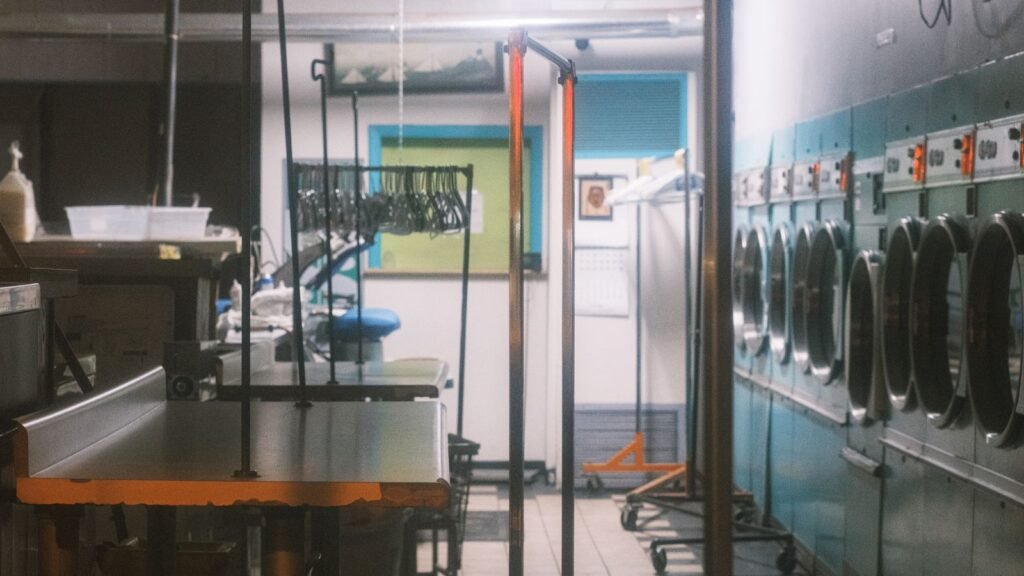
The dry cleaning industry Australia runs today is a mix of suburban counters, industrial plants and hybrid laundry shops that finish garments labelled dry-clean-only or needing professional pressing. Behind the ticket stub sits solvent or wet-cleaning gear, chemical compliance, energy costs and labour for spotting and finishing. Understanding that model helps you judge quotes, turnaround claims and care advice.
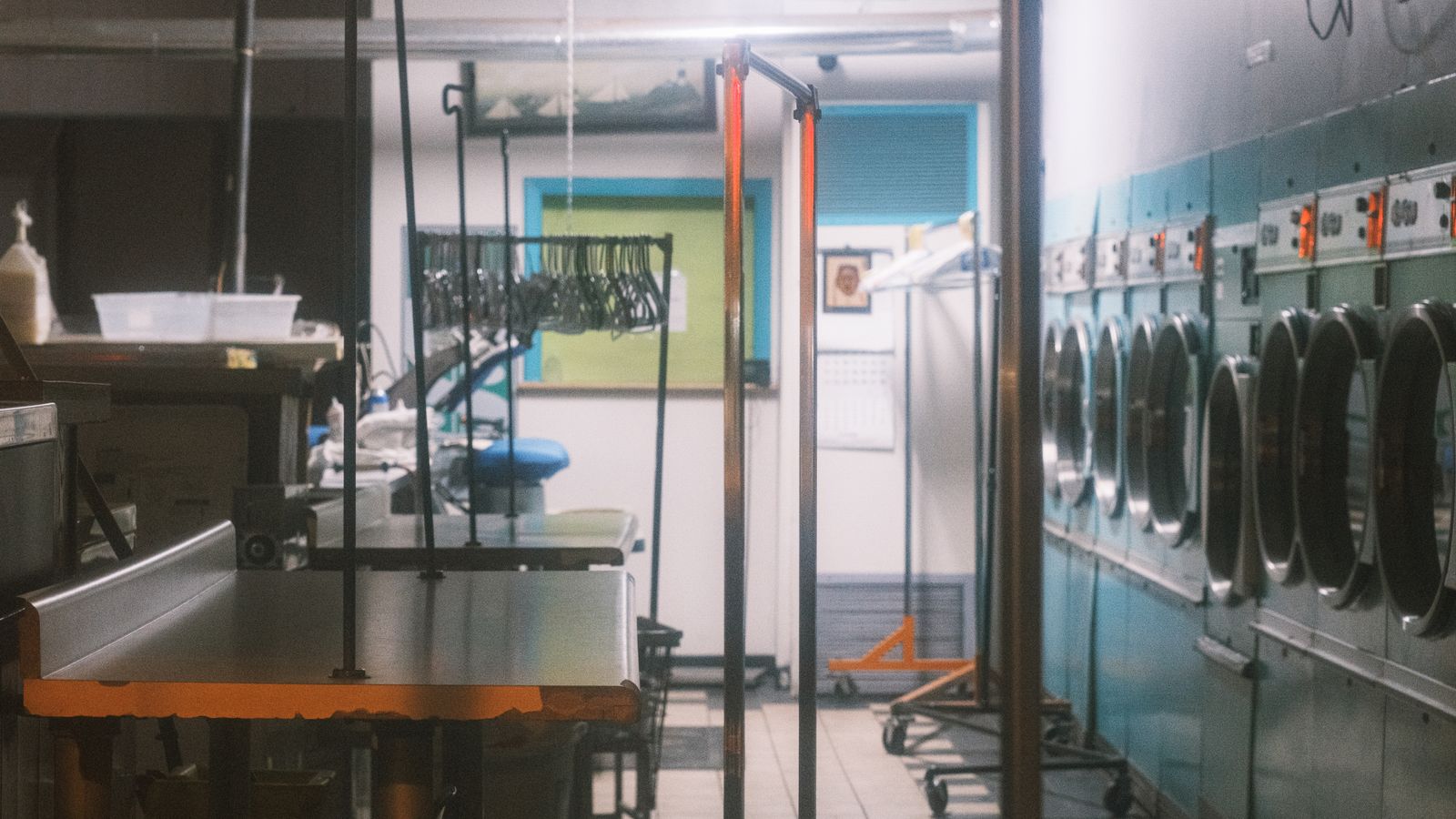
Find cleaners via our directory. Process basics: how dry cleaning works. Price bands: dry cleaning prices Australia.
Who operates in the market
Not every “dry cleaner” looks the same. Some take your bag and clean overnight on site. Others courier to a plant at 9 pm and hang finished work by lunch. So if you need bridal or leather work, ask for a specialist rather than hoping a high-street counter can absorb the risk.
- Neighbourhood counters: take-in desks that clean on site or send bags to a plant overnight
- Plant / wholesale cleaners: high-volume machines serving multiple shopfronts
- Hybrid laundry + dry clean: self-serve or wash-and-fold beside a dry-clean ticket desk
- Specialists: bridal, leather, vintage, or restoration work with longer lead times
Many shops also wet-clean when fabric and soil allow. See wet cleaning vs dry cleaning and dry clean vs wash.
Solvents, wet cleaning and regulation
Traditional dry cleaning uses solvents in closed machines, then aeration and pressing. Some Australian shops still run systems historically associated with perchloroethylene (perc). Others have shifted to hydrocarbon, silicone-based or other alternatives, or expanded wet-cleaning capacity. Chemical use sits under industrial chemical and workplace rules.
For the national chemicals scheme see AICIS. Work health and safety duties sit with state regulators under the model WHS framework published via Safe Work Australia.
| Approach | Typical use | Customer signal |
|---|---|---|
| Solvent dry clean | Structured suits, some silks, grease soils | Ask which solvent family the shop uses |
| Professional wet clean | Many modern “dry clean only” knits and casual wear | Often gentler on some dyes; still specialist |
| Press / finish only | Already clean garments needing shape | Cheaper ticket; no full clean cycle |
| Specialist restoration | Wedding dresses, vintage, leather | Longer quotes; itemised risk notes |
Label meaning: dry clean only label explained and clothing care symbols Australia.

Why prices and turnaround vary
Ticket prices reflect labour for spotting and pressing more than “the solvent alone.” A lined jacket costs more than a shirt because someone has to work the seams and finish the shape. Same-day isn’t magic either. It’s usually a cut-off on standard items, not every wedding gown. So ask for a written quote before you race the cheapest express ticket.
- Garment construction (lined jackets cost more than shirts)
- Stain type and age
- Whether work stays on site or goes to a night plant
- Energy and chemical costs for the machine cycle
- Same-day or express surcharges
Typical suburban shirt press tickets often sit in soft guide bands around the mid-teens AUD, with structured jackets higher. Always ask for a written quote on expensive pieces. Turnaround patterns: dry cleaning turnaround Australia.
Consumer expectations under Australian law
Dry cleaning is a paid service covered by Australian Consumer Law guarantees on due care and skill. Shops should disclose known risks: old stains that may not lift, beads that can loosen, colour bleed. Ticket terms can’t wipe those guarantees. Guidance: ACCC consumer guarantees and our guide ACL and dry cleaning.
Photograph valuable garments and note existing damage at drop-off. Keep the ticket.
If a shop shrugs off a clear care failure after you paid for skill, ACL still matters. Ticket fine print can’t wipe due care and skill. So document stains and existing wear before they bag the piece, especially for bridal or leather work where disputes get expensive fast.
Industry trends owners will notice in 2026
- More wet-cleaning capacity marketed as gentler or lower-odour
- Card-first counters and SMS ready alerts
- Hybrid sites combining laundry bags with dry-clean tickets
- Pressure to explain solvent choices when customers ask
- Continued demand for suit and uniform finishing even as casual dress codes spread
If you’re comparing shop economics next door, see laundromat industry Australia and commercial laundry industry.
But customers feel these trends as practical shop-floor changes: SMS ready alerts, tap-to-pay counters, and staff who can explain wet clean vs solvent without a blank look. Hours still matter. A renovated hybrid site that closes at 5 pm won’t help if you finish work at 6:30.
How to choose a cleaner without guessing
- Match the shop to the garment (general counter vs bridal specialist).
- Ask whether your item will be solvent or wet cleaned and why.
- Confirm turnaround in writing on the ticket.
- Point out stains and previous repairs before they bag it.
- Compare two quotes for expensive pieces rather than racing the cheapest express.
Near-me search: dry cleaner near me. Worth-it framing: is dry cleaning worth it.
Still picking by Google stars alone? Call two shops with the same garment list, ask about on-site vs plant cleaning, and confirm card payment plus Saturday hours. Soft AUD bands vary by suburb rent more than by marketing slogans on the window.
Related guides
If you want the process under the ticket, start with how dry cleaning works. If you’re budgeting a suit or coat, jump to prices. For solvent vs water-based options, use the wet-cleaning comparison before you ask the counter.
- How dry cleaning works Australia
- Dry cleaning prices Australia
- Wet cleaning vs dry cleaning
- Find dry cleaners by suburb
Then shortlist local shops on the directory and verify hours and payment the same way you’d check any other service before a timed event.
Frequently Asked Questions
Is dry cleaning dying in Australia?
Volumes shift with fashion and remote work, but structured garments, uniforms and special-occasion wear still need professional finishing. The industry is adapting, not disappearing.
Is wet cleaning “better” than solvent?
It depends on fabric and soil. Wet cleaning isn’t a universal upgrade. Ask the cleaner which process they recommend for your specific item.
Why does my jacket smell chemical after cleaning?
Residual solvent odour should fade after airing. Persistent strong smell is worth raising with the shop; aeration or reprocessing may be needed.
Can a shop refuse a damaged or beaded dress?
Yes, if they judge risk too high. A good shop explains why and may suggest a specialist rather than taking silent risk.
Sources: AICIS · Safe Work Australia · ACCC
By Laundry Services Near Me Team · About · Find laundries
Need a local listing?
Browse verified businesses in our directory or read more guides on the blog.
Find laundromats All guides