Laundromat Industry Australia: Self-Serve Trends, Card Payments and 24-Hour Economics (2026)
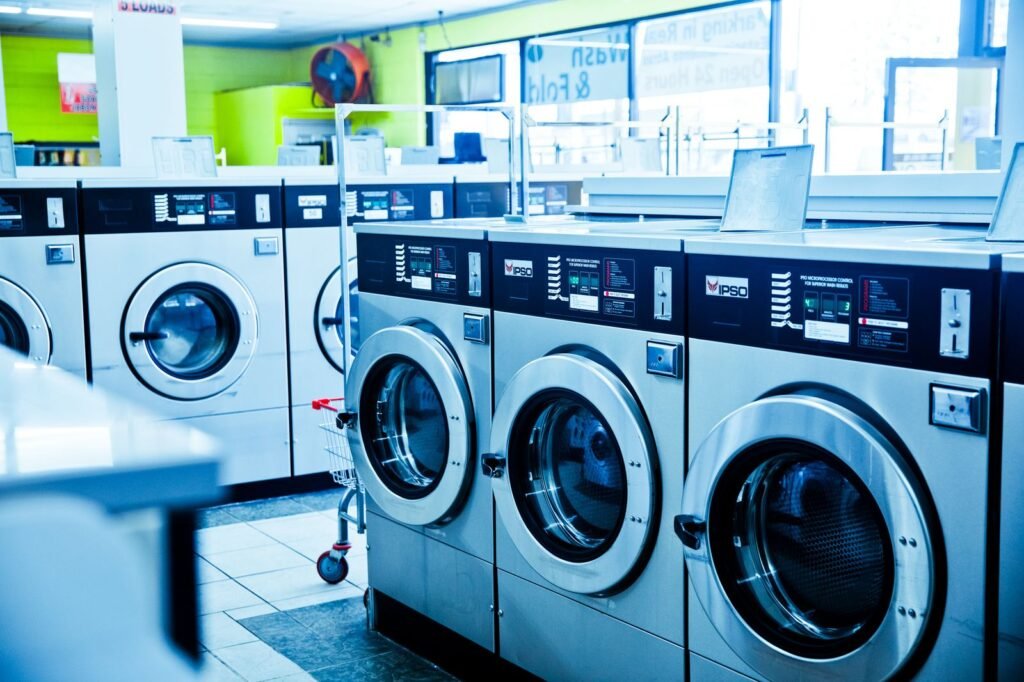
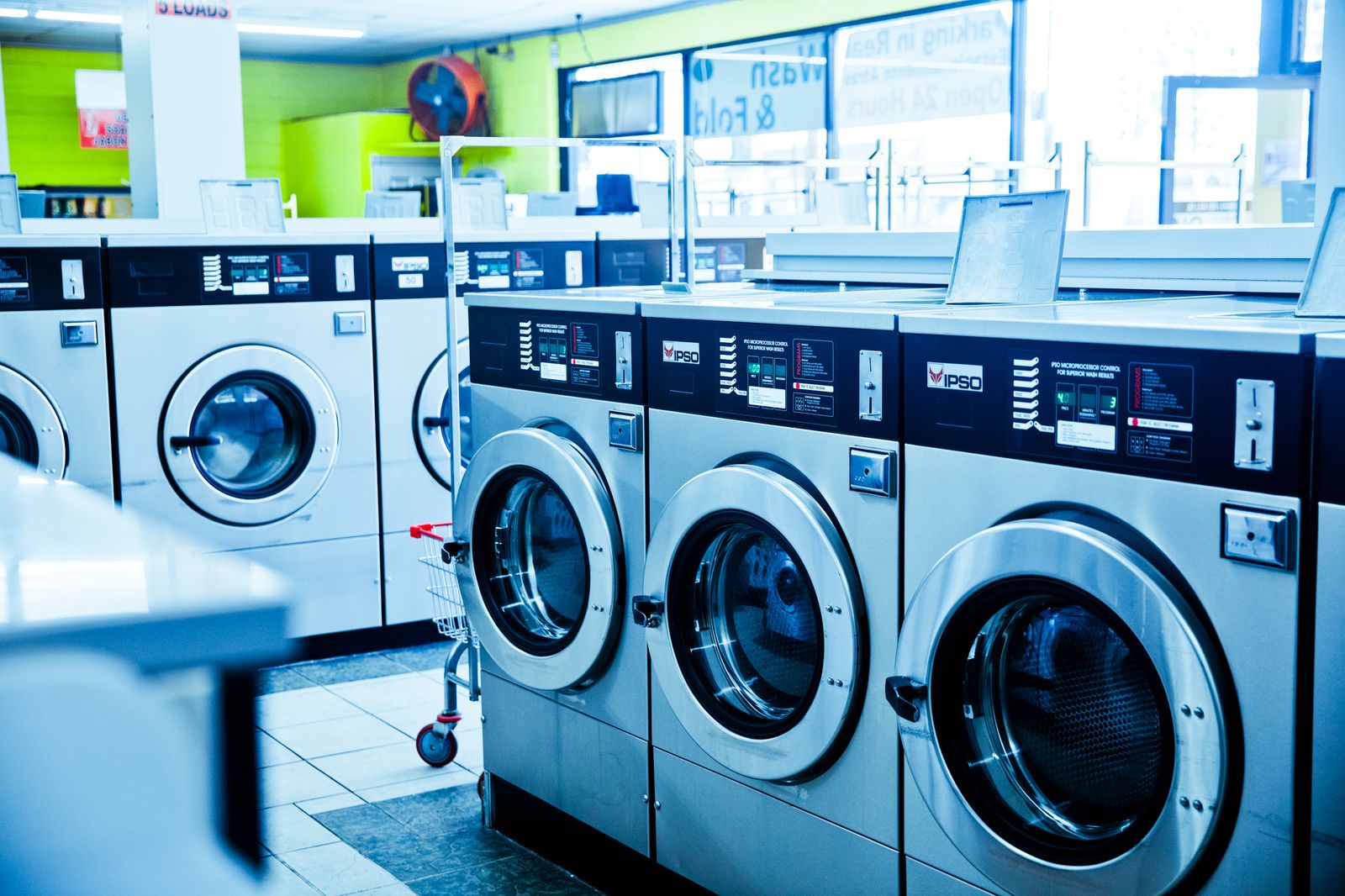
The laundromat industry Australia shoppers see today is a network of self-serve and attended coin or card laundries for renters, travellers, students and anyone without a reliable home washer. You pay per wash and dry, use larger machines than most apartments allow, then leave when the load is done.
This overview is for customers and curious owners. Find sites via our directory, compare costs in laundromat cost Australia, and see payment detail in coin vs card.
Who uses laundromats in Australia
Demand is strongest where housing is dense and washers are shared or undersized. Think Newtown share houses, Fortitude Valley studios, or a caravan park after a wet week. You don’t need to be a “regular” to make the trip worthwhile.
- Inner-city apartments and share houses
- Regional workers in temporary accommodation
- Tourists and grey nomads washing bulky bedding
- Households waiting on a broken machine or renovation
- Small operators who outgrow a domestic washer for towels or uniforms
Self-serve is still the core product. Attended wash-and-fold and mixed dry-clean counters sit beside it in many suburbs. For service types see laundry service near me.
Self-serve trends you’ll notice in 2026
Walk into a renovated shop and the floor looks different from a 1990s coin laundry. Larger front-loaders, tap payment, and clearer price boards are common. But older suburban sites still run coin-first, and that’s fine if the change machine works.
| Trend | What customers see | Why operators do it |
|---|---|---|
| Larger front-loaders | 18–32 kg washers for doonas and bulk bags | Higher revenue per cycle; fills a gap home machines miss |
| Card / app payment | Tap, phone or stored value instead of coins only | Fewer coin shortages; clearer takings data |
| Hybrid coin + card | Both systems on the same bank of machines | Keeps cash users while capturing card spend |
| Wash-and-fold add-on | Drop a bag while you shop or work | Labour margin on top of the self-serve floor |
| Longer trading hours | Early open, late close, some 24-hour | Captures shift workers and after-work peaks |
First-visit basics: how to use a laundromat. Hygiene checks: are laundromats clean.
Card vs coin economics (customer view)
Coin-only sites still exist, especially older suburban shops. Card-ready sites reduce the “I only have a $50 note” problem. They often price in a small convenience premium. Operators pay merchant fees and hardware leases, so a card price board can sit a little above a pure coin board nearby.
For you, the decision rule is practical:
- Prefer card when you won’t carry a jar of gold coins or need late-night access without a change machine.
- Prefer coin when the board is clearly cheaper and the change machine works.
- Check both on a first visit; some shops discount coin cycles or sell discounted card top-ups.
Deep dive: laundromat card payment Australia and coin laundry near me.
Why 24-hour sites exist (and when they struggle)
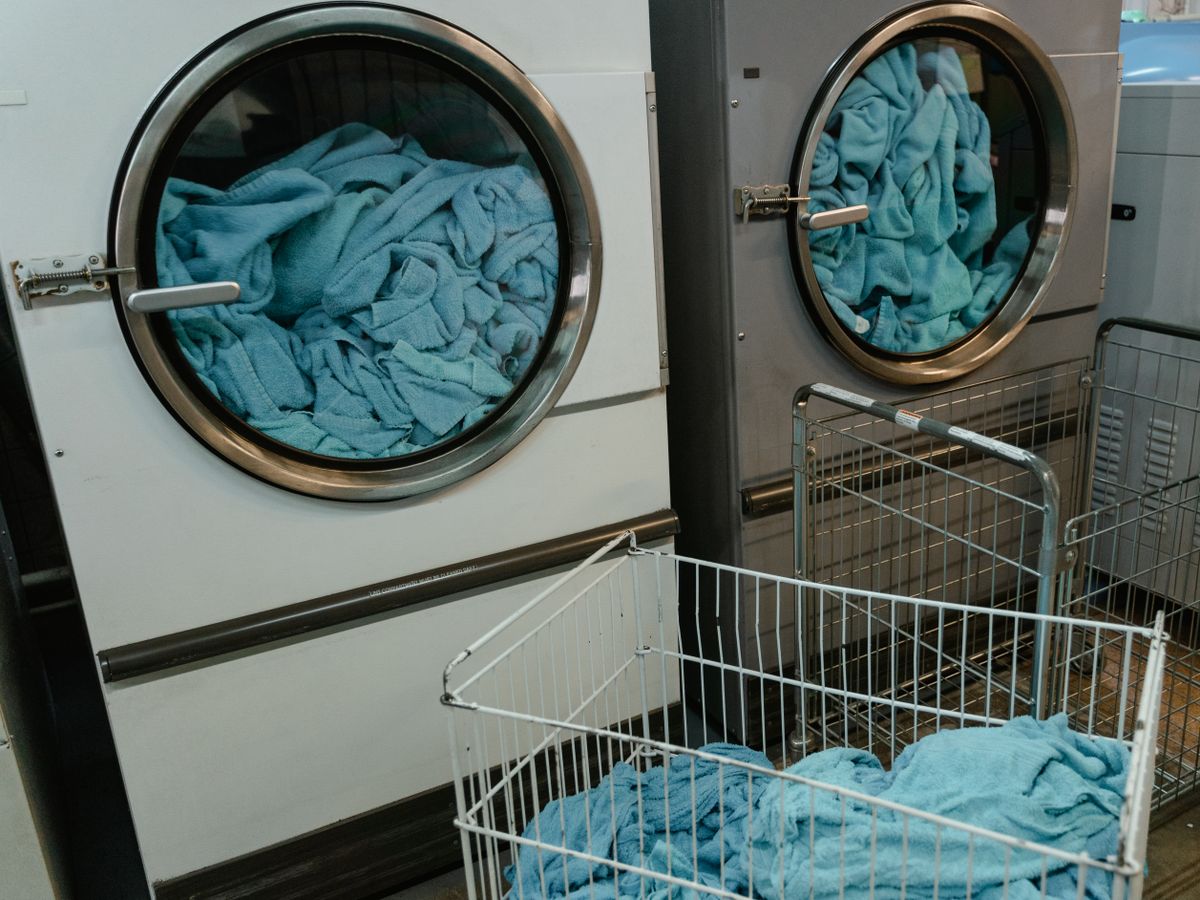
Unattended overnight laundromats exist because rent and labour are high relative to daytime-only trade. A site that earns from midnight shift workers and early-morning travellers can justify cameras, lighting and vandalism risk. But not every suburb supports that model.
Typical economics drivers:
- Electricity and gas for dryers dominate running cost; time-of-use tariffs hurt overnight drying in some networks
- Security and insurance rise when staff leave
- Machine downtime overnight goes unnoticed until morning, which frustrates customers
- Foot traffic density must stay high enough after 10 pm
If you rely on overnight access, shortlist with 24-hour laundromat near me and laundromat open now. Call ahead if “24 hour” is advertised but Google hours look shorter.
Energy, water and regulation context
Laundromats are energy-intensive small businesses. Federal and state agencies publish energy market information that affects commercial tariffs; see the Australian Energy Regulator for wholesale and retail market context. Water efficiency labelling for household products is consumer-facing via Water Rating. Commercial machines follow different procurement paths, but the pressure to cut waste is the same.
Operators must manage workplace safety, electrical compliance and, where solvents sit on site for an attached dry-clean bench, chemical duties under Australian industrial chemical rules (AICIS).
So when dryer prices feel high, you’re usually looking at tariff pass-through, not a random markup.
Metro vs regional patterns
Inner Sydney, Melbourne and Brisbane sites lean harder into card systems, large front-loaders and evening peaks from apartment dwellers. Regional towns often keep simpler coin floors with fewer machines but loyal weekly regulars. Tourist strips add seasonal spikes: caravan parks and beach suburbs fill dryers after wet weather.
Directory browsing by state helps you match the local pattern. Start at locations, then open NSW, VIC or QLD hubs for suburb lists.
If you’re travelling with a doona or camping gear, regional coin floors still work well. But check change-machine status and dryer pricing before you assume a $2 coin jar will cover a wet weekend of towels after rain on the coast.
What “good” looks like for customers
- Clear price board before you load
- Working change or card top-up
- Clean door seals and emptied lint traps
- At least one large washer available in peak evening hours
- Honest hours on the door and Google listing
Choosing help: best laundromat near me. Self-serve focus: self service laundry near me.
So walk the floor once before you tip a full bag into a machine. Check door seals, empty a lint trap if it’s packed, and confirm tap-to-pay or coin top-up still works after 8 pm if that’s when you usually wash.
Related guides
For finding a shop tonight, start with laundromat near me. For AUD per wash and dry, use the cost guide. If your load is actually a small business linen run, jump to the commercial laundry industry overview instead of forcing towels through self-serve forever.
- Laundromat near me
- Laundromat cost Australia
- Commercial laundry industry Australia
- Find laundromats by suburb
Browse your suburb on the directory, note card vs coin and advertised hours, then call if “24 hour” looks inconsistent with Google listing times.
Frequently Asked Questions
Are Australian laundromats still mostly coin?
Many older sites remain coin-first. Newer fit-outs and renovations lean card or hybrid. Always check payment before you haul a week of washing across town.
Is wash-and-fold replacing self-serve?
No. Wash-and-fold grows as an add-on. Self-serve still fills the need for control, speed and lower cost per load.
Why do dryer prices feel high?
Dryers use a lot of energy. Operators pass tariff and gas costs through per cycle. Running shorter extra dry cycles only when needed saves money.
How do I find a site near me?
Browse all locations or start with laundromat near me.
Sources: Australian Energy Regulator · Water Rating (Australian Government) · AICIS
By Laundry Services Near Me Team · About · Find laundromats
Need a local listing?
Browse verified businesses in our directory or read more guides on the blog.
Find laundromats All guides