Sydney Laundromat Sale Data Shows Thin Margins After Utilities and Rent
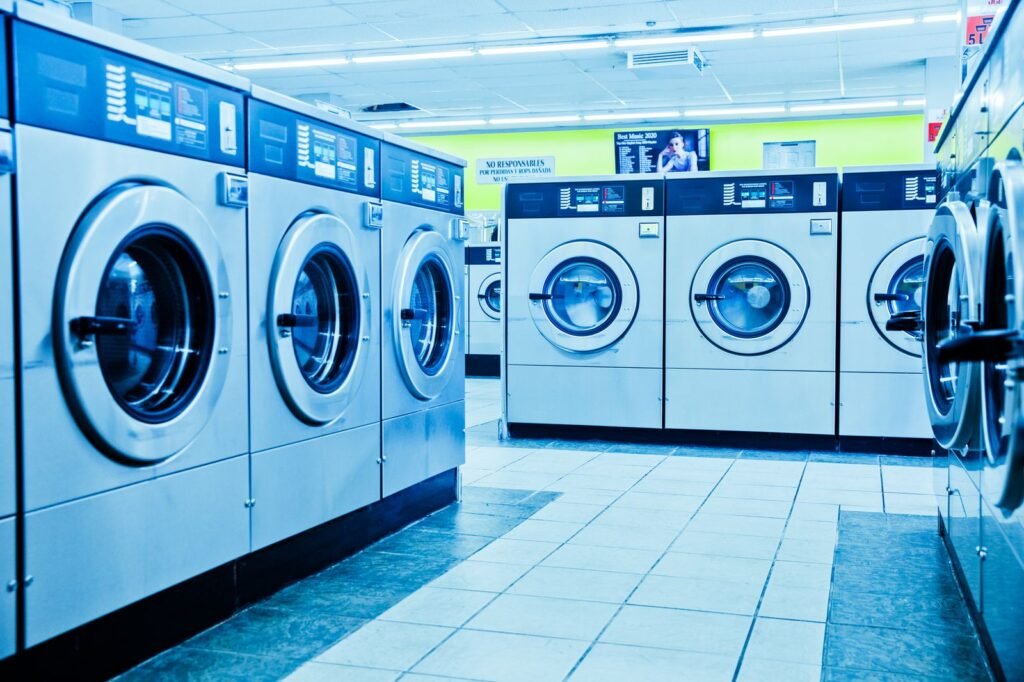
Laundromat acquisition economics in Sydney still look thin in 2026 after rent, utilities and card fees, with electricity the largest variable cost heading into DMO 8. Updated 29 June 2026.
Business-for-sale listings and brokerage write-ups cited in trade press during 2026 commonly show inner-city coin laundries turning modest owner-operator profit once wages for attendants, merchant fees and loan service are deducted. Exact figures vary by lease length, machine age and whether the site is attended. The AER DMO 2026–27 determinations set the electricity baseline buyers should model from 1 July.
Lower DMO benchmarks from 1 July don’t automatically improve acquisition maths if purchase prices already capitalised prior energy spikes.
What buyers are underwriting in 2026
Experienced buyers model vend counts, average ticket, rent as a percentage of gross, and kilowatt-hours per turn rather than seller EBITDA alone. Old dryers without moisture sensors can erase tariff savings within one wet winter week.
Card retrofits add capital cost but can lift throughput if coin friction capped vend volume. Payback depends on fee basis points and reduced coin handling labour.
Our Sydney operating costs piece from earlier in June outlines rent and wage pressure. Pair that with DMO 8 contract review before you trust a seller’s forward profit projection.
How DMO 8 changes the spreadsheet
AER final determinations cut standing-offer small business benchmarks in most NSW, SEQ and SA zones from 1 July 2026. Market customers must renegotiate to capture savings.
Acquisition models should stress-test bills at both old and new tariff assumptions plus 10% usage growth if marketing works. Falling rates plus rising cycles net to flat invoices commonly enough to surprise new owners.
Read commercial laundry energy contract review before settlement day.
Industry brokers caution that add-back EBITDA adjustments for owner wages commonly flatter listings. Rebuild profit assuming you pay market rate for every hour you plan to spend on site.
Red flags in listings
Sellers who can’t produce twelve months of electricity and water bills deserve discount. Undisclosed machine liens, expiring leases without options, and pending council compliance orders appear in small business sales across sectors; laundromats aren’t exempt.
Visit at peak evening hours. Empty shops at 6 pm on a rainy Tuesday tell a different story than Saturday morning photo shoots.
Compare nearby competition on the directory to sanity-check catchment claims in offering memorandums.
Franchise and multi-site operators
Multi-site buyers underwrite differently from first-time owner-operators. Corporate roll-ups amortise card systems and marketing across sites; single-site buyers feel every merchant fee point. Broker packages sometimes blend high-performing and weak stores, so inspect each address individually rather than trusting portfolio averages.
Settlement should include training handover weeks, not only a keys exchange. Vend route knowledge and supplier accounts walk out the door when sellers retire without documentation.
Operator versus passive investor reality
Many profitable Sydney laundromats rely on owner labour for repairs, cover shifts and supplier negotiation. Underwriting a manager wage commonly flips a “profitable” site to break-even.
Consolidation is gradual, not explosive. Single-site acquisitions still dominate compared with roll-ups seen in US markets.
Outlook for buyers in late 2026
Expect more listings from retiring owners who installed card systems during 2022–2024 energy spikes and now want exit at peak narrative. Verify energy and vend data independently.
We won’t publish listing-specific financials here; always engage an accountant before binding offers.
Frequently Asked Questions
Are Sydney laundromats good investments in 2026?
Some sites cash-flow for hands-on owners; passive returns are harder after rent, utilities and labour. Model conservatively with current bills and DMO 8 scenarios.
What is the biggest cost in most laundromat P&Ls?
Electricity for dryers usually dominates variable cost, followed by rent and equipment maintenance. Card fees grow with cashless adoption.
Where can I research local competition?
Use the directory to map nearby laundromats and visit sites at busy hours before buying.
Sources: AER DMO 2026–27
By Laundry Services Near Me Team
Need a local listing?
Browse verified businesses in our directory or read more guides on the blog.
Find laundromats All guides